

The London Podiatry Centre
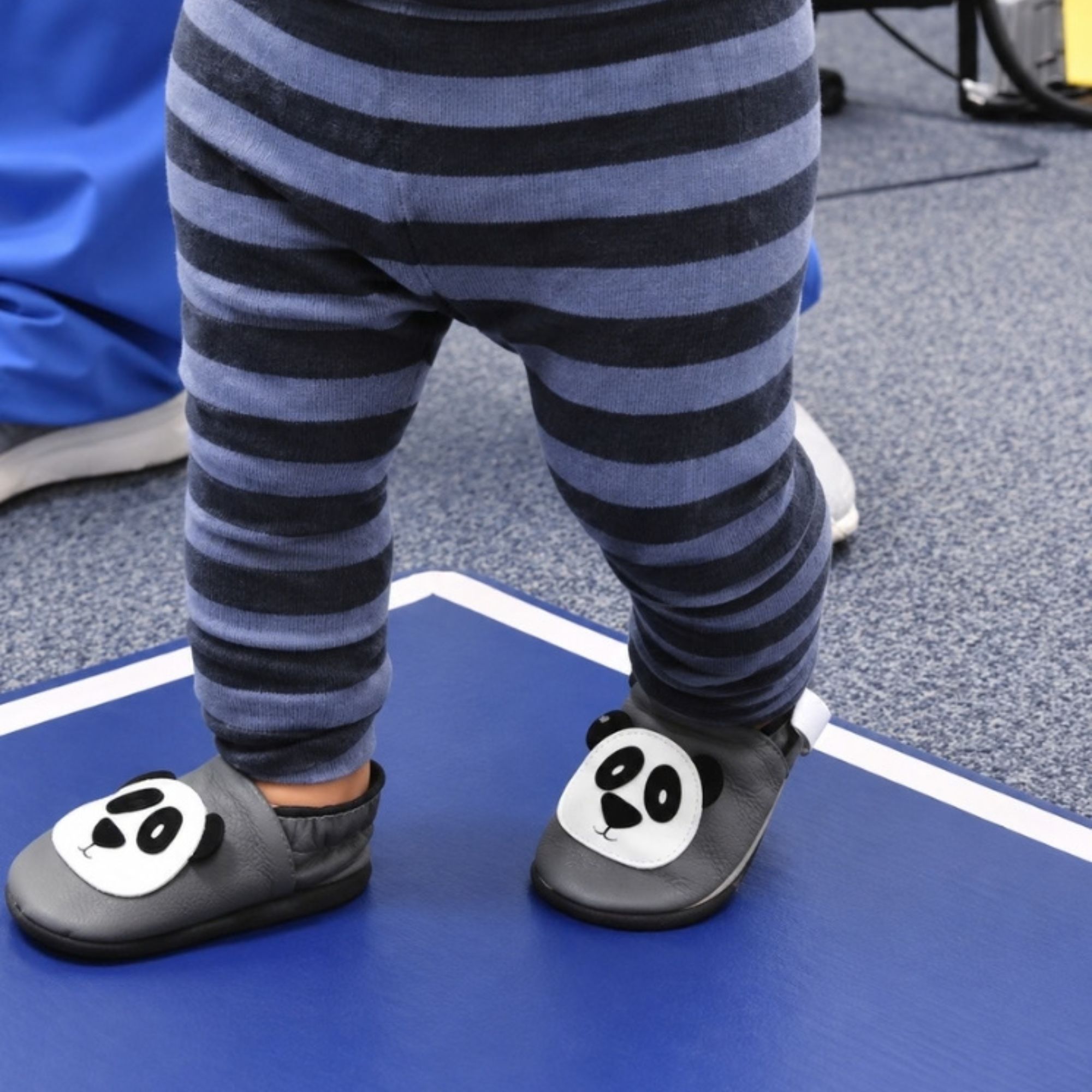
We believe little feet should be free to move and develop as naturally as possible. That’s why our soft sole shoes are lightweight, flexible and non-restrictive, allowing babies and toddlers to feel the ground beneath their feet as they crawl, cruise and take those precious first steps.
To put our soft sole shoes to the test, we worked with the experts at The London Podiatry Centre, using advanced gait analysis technology to compare walking in Dotty Fish soft sole shoes with walking barefoot.
Putting Our Soft Sole Shoes to the Test
The London Podiatry Centre used specialist gait analysis technology and pressure-mat testing to examine how young children walked in Dotty Fish soft sole shoes and compare the results with walking barefoot.
We worked with Consultant Podiatric Surgeon Ron McCulloch and Podiatrist Fran Campbell to look at areas including balance, movement and gait.
The aim was simple: footwear for developing feet should allow children to move as naturally as possible without unnecessarily restricting the way their feet work.
You can watch the testing and learn more about the benefits of soft sole shoes in our video below.
How Were the Shoes Tested?
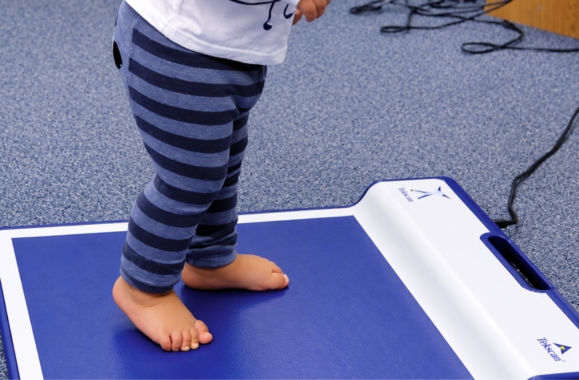
The first stage of testing used a Tekscan pressure mat to look at postural sway and balance and how these were affected when wearing footwear.
The next stage used an 8-camera 3D Vicon motion-analysis system. Sensors were placed on the feet, legs and hips before walking was recorded both barefoot and in Dotty Fish soft sole shoes.
This allowed the team at The London Podiatry Centre to analyse the movement in detail and compare walking in the shoes with natural barefoot movement.
Why Natural Movement Matters
As little feet develop, giving toes and feet room to move naturally is important. Soft, flexible footwear is designed to provide protection without unnecessarily restricting this natural movement.
One of the key things the team wanted to see was that wearing the shoes did not interfere with normal, natural movement.
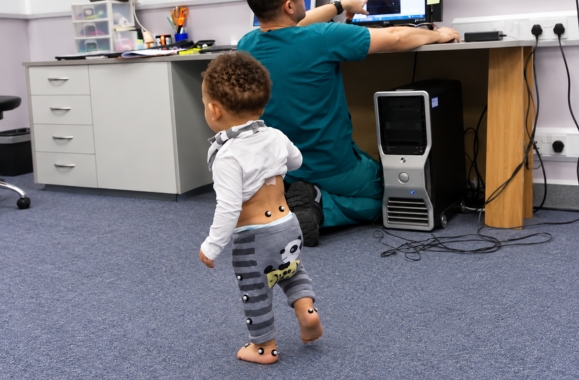
During the 3D gait analysis, the movement data could be reconstructed on screen, allowing the team to examine how the feet, ankles, knees and hips moved while walking.
The tests were repeated to provide the clinic with data that could then be analysed as part of its detailed assessment.
“A key thing is that we don’t want to see any change between bare feet and the shoe. We just want to see normal natural function and to make sure that it’s not impeded by footwear, and so far, the results are encouraging.”
Ron McCulloch, Consultant Podiatric Surgeon
What Did the Testing Show?
The analysis was encouraging and supported one of the most important principles behind our soft sole shoes — allowing young children to move naturally while providing a lightweight layer of protection for their feet.
The report found that the Dotty Fish soft sole shoes did not cause a disturbance to normal gait during the testing. The analysis also identified changes in areas including hip and knee symmetry and ankle movement while the shoes were being worn.
The soft suede sole also provides gentle grip on smooth indoor surfaces while remaining thin and flexible enough to allow little feet to feel the ground beneath them.
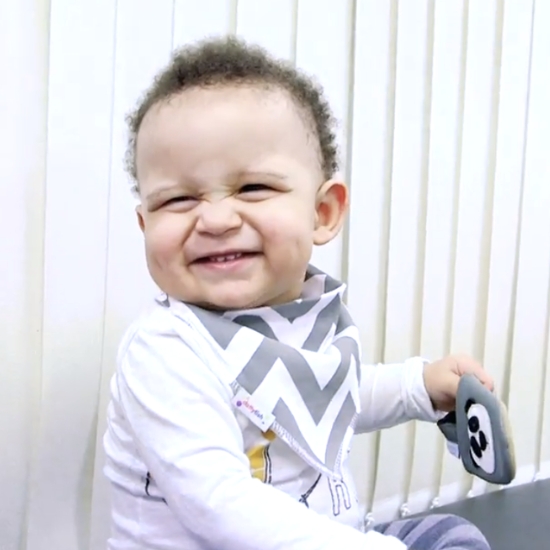
“I have a young boy of 2, who runs around the house on hard, unforgiving surfaces so there’s a potential to slip. He has slipped on a number of occasions. We've tried different socks with limited success, and then we tried the Dotty Fish shoes which have been very effective actually.”
Ron McCulloch, Consultant Podiatric Surgeon at The London Podiatry Centre
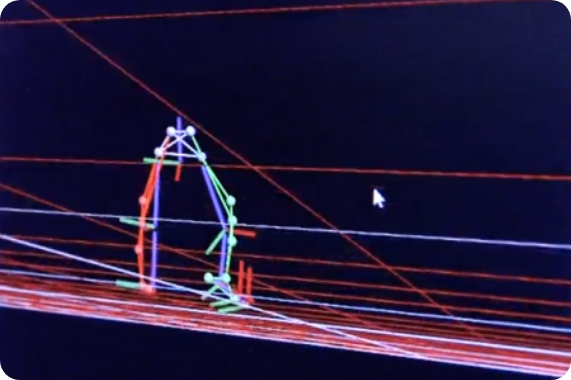
Analysing Natural Movement
The testing allowed the team to compare movement while barefoot with movement while wearing Dotty Fish soft sole shoes, looking closely at how the shoes affected the child's natural walking pattern.
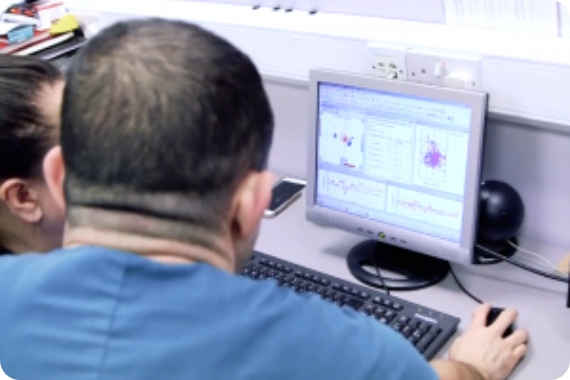
Reviewing the Results
Podiatrist Fran Campbell carried out much of the testing and prepared a detailed report after the clinic had analysed the data. An important finding was that the soft sole shoes did not cause a disturbance to normal gait during the testing.
Little Feet, Big Steps
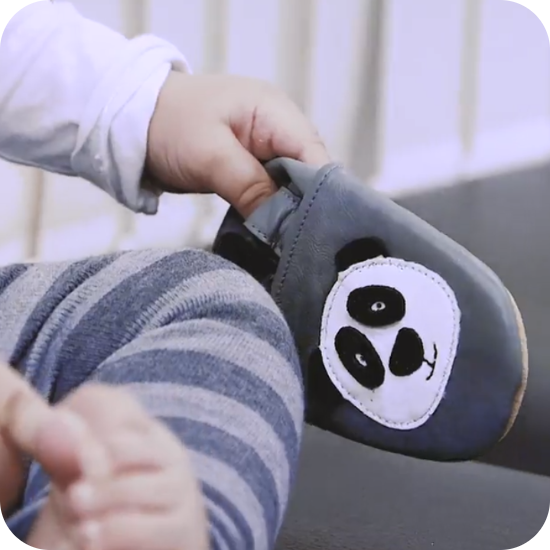
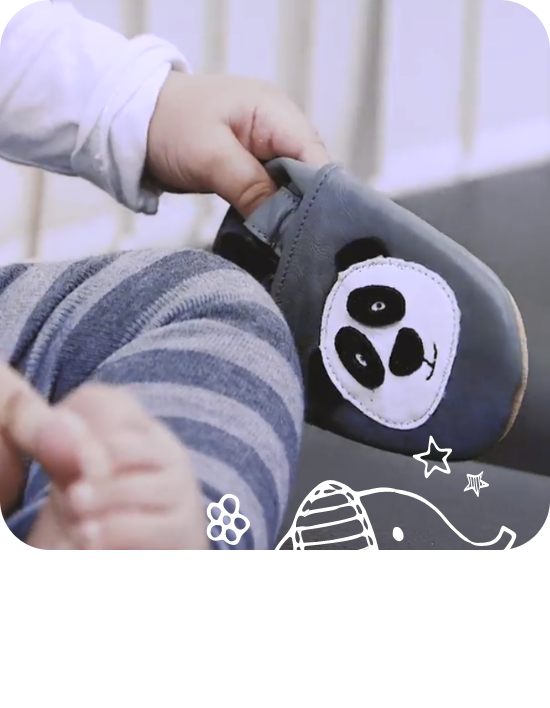
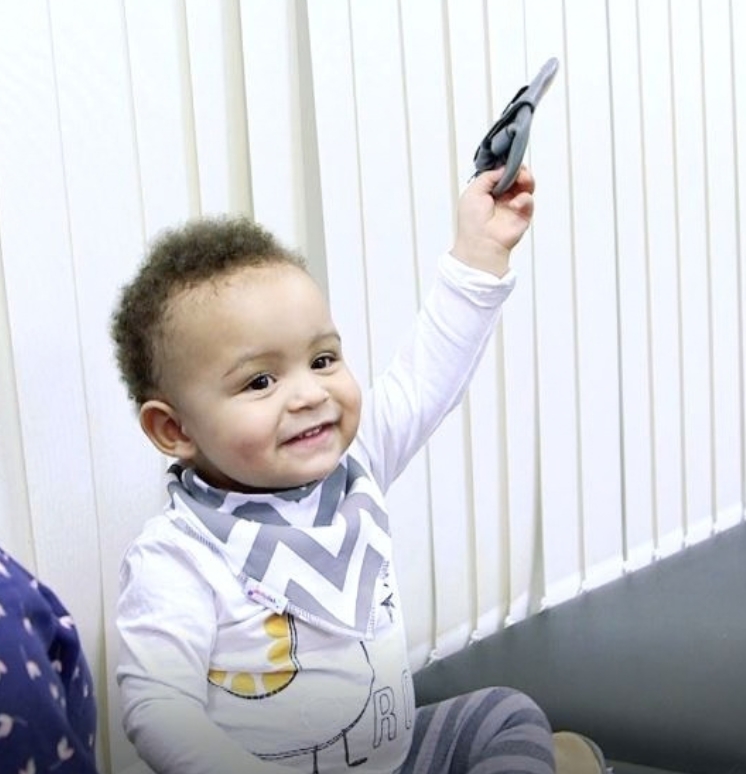
Our young tester Carter was 18 months old when he visited the clinic, making him a great age to look at movement during those important early walking stages.
For us, the testing reinforced why flexibility and freedom of movement remain at the heart of our soft sole shoes. They are designed to be lightweight and non-restrictive, with soft soles and plenty of room for little toes to move naturally.
Working with The London Podiatry Centre gave us valuable insight into how our soft sole shoes perform on developing feet and helped us continue to put healthy, natural movement at the centre of their design.
“My first impressions from the ‘Dotty Fish’ team were that they were very very behind this product and that it was something that was so important to them, it was actually something to help children’s foot health going forward.”
Fran Campbell, Podiatrist at The London Podiatry Centre
More Information
To find out more about The London Podiatry Centre and its work in podiatry and gait analysis, visit The London Podiatry Centre.